Psychology
Contact Info
Mailing Address
Cleveland State University
Department of Psychology
2121 Euclid Ave., PSY
Cleveland, OH 44115-2214
Campus Location
Julka Hall
Suite 164
2485 Euclid Avenue
Cleveland, OH 44115-2214
Contact Us
Phone: 216.687.2544
Email: psychology@csuohio.edu
Clinical Psychology - Master of Arts Degree
| Format | Tuition | Credits | Duration | Degree |
|---|---|---|---|---|
| In Person | $655.90/credit (In-state/Out-of-state) | 50 | 2 years | Terminal M.A |
Mission
The clinical psychological specialization M.A. program aims to train highly qualified, culturally responsive master's level graduates to work in a variety of clinical and research settings and/or to move on to doctoral work.
Why earn a master’s degree in psychology with a clinical specialization?
Many students aspire to careers as psychologists, therapists, researchers, and behavioral health professionals. Our Clinical Psychology M.A. program helps bridge the gap between undergraduate education and advanced professional training through hands-on experiences in research, data analysis, clinical interviewing and psychotherapy, and psychological assessment.
Graduates are well-positioned for doctoral study in clinical and counseling psychology, careers in research coordination, and, in some areas, master's-level practice opportunities.
Why earn your degree at Cleveland State University?
At Cleveland State University, students gain both research and clinical training through rigorous coursework, hands-on research experiences, and supervised fieldwork placements. Our structured curriculum prepares graduates for advanced doctoral study and a variety of professional roles in mental health and related fields.
Two Programs of Study
Doctoral Preparation (Thesis) Track
Students in the thesis track are matched with a faculty advisor upon admission and become active members of a research lab. Through completion of a data-based master's thesis, students develop the research skills and mentorship experiences needed for doctoral study.
The results speak for themselves: approximately 75% of students in this track apply to doctoral programs, and over the past 10 years, 84% of applicants have been admitted to APA-accredited PhD or PsyD programs in Clinical, Counseling, or School Psychology, and other related doctoral programs.
Practitioner (Non-Thesis) Track*
Students pursuing the practitioner track complete additional clinically focused coursework in areas such as substance use disorders, lifespan development, social psychology, or child and adolescent assessment. This pathway is designed for students seeking advanced training for careers in behavioral health, assessment, and human services.
Recent graduates have secured positions as psychometrists, license-limited therapists, mental health co-responders, and other psychology-related professionals.
* Graduates of this master's program are not eligible for psychology licensure in the State of Ohio. Outside of Ohio, prospective students should review the laws and regulations governing licensure in the state where they intend to practice.
Career-Focused Training
Regardless of track, students benefit from a carefully sequenced program that integrates classroom learning with practical experience. Graduates leave CSU with a strong foundation in psychological science, clinical practice, and professional skills that prepare them for the next step in their careers. All students complete a 450-hour field placement practicum in professional settings while working directly with clients and multidisciplinary teams.
This program strives to offer opportunities for growing professionals to further develop their cultural responsiveness and competence through courses and the practicum offered in the second year. We aim to encourage an atmosphere of open dialogue and discussion around client needs to foster responsive growth within our students. We aim to train our students to be the next generation of psychology professionals that are capable of (and competent in) offering services in a variety of settings.
Program Requirements
Our two-year, 50-credit Clinical Psychology program provides a strong foundation in both the science and practice of psychology. Students build expertise in assessment, intervention, research, ethics, and professional practice while gaining hands-on clinical experience.
Year One: Build Your Clinical and Research Foundation
During the first year, students develop core competencies in:
- Clinical interviewing and psychotherapy
- Psychological and intellectual assessment
- Research methods
- Statistical analysis
- Psychopathology
- Ethics and professional practice
- Individual differences in clinical psychology
Students in the Doctoral Preparation (Thesis) Track are paired with a faculty mentor upon admission and begin developing their master's thesis project during the first year.
Year Two: Apply Your Skills in Real-World Settings
The second year focuses on advanced assessment, psychopharmacology, and supervised clinical training.
Students complete a 450-hour field placement practicum in professional settings while working directly with clients and multidisciplinary teams. Recent placements have included:
- Private practice clinics
- Assessment and neuropsychological centers
- Community mental health agencies
- Residential treatment programs
- Forensic settings
Students in the Doctoral Preparation Track complete and defend a master's thesis, while those in the Practitioner Track customize their training through additional graduate coursework in areas aligned with their career goals.
Sample Program Sequence
Year 1
- Clinical Interviewing
- Intellectual Assessment and Practicum
- Research Methods
- Univariate Statistics
- Advanced Data Analysis
- Adult Psychopathology
- Ethics and Professional Issues
- Elective or Supervised Research Experience
Year 2
- Personality Testing and Assessment
- Psychopharmacology
- Field Placement Practicum I & II
- Master's Thesis (Thesis Track) or Advanced Psychology Electives (Practitioner Track)
Students complete program requirements as outlined in the Graduate Catalog in effect at the time of admission. Course offerings and sequencing may vary.
Learn from Experts. Work Alongside Researchers.
Our faculty are active scholars, mentors, and practitioners whose work shapes the training students receive in the classroom, research lab, and field. Through close faculty mentorship, students engage with research and clinical perspectives at the forefront of the discipline.
Faculty expertise spans a wide range of areas, including:
- Emotion regulation and its behavioral and psychophysiological processes
- Developmental psychopathology
- Psychopathology and evidence-based treatment of mental health disorders
- Personality assessment and psychological evaluation
Faculty research is regularly disseminated through presentations and publications in national and international scholarly venues, providing students with opportunities to engage in meaningful research and learn from experts contributing to the field's advancement.
Whether your goal is doctoral study or professional practice, you'll learn from faculty who are actively advancing knowledge in psychology and mentoring the next generation of clinicians and researchers.
More detailed information on faculty interests can be found on our faculty & staff page here, or university profiles linked below.
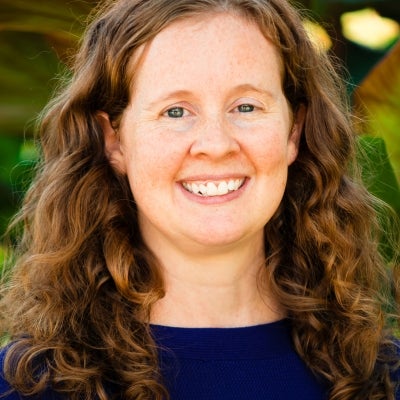
Elizabeth Goncy

Kathleen Reardon
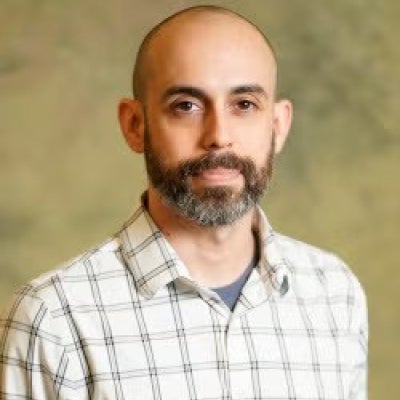
Ilya Yaroslavsky
Outcomes: Where Our Graduates Go
A master's degree in Clinical Psychology from Cleveland State University prepares students for both doctoral training and psychology-related careers in clinical, healthcare, research, and community settings.
Many students pursue advanced graduate education, while others enter the workforce equipped with strong foundations in psychological assessment, research, and clinical practice.
Strong Preparation for Doctoral Study
Students in the Doctoral Preparation (Thesis) Track have a long history of success in the doctoral admissions process.
Ten-Year Averages
- Over 50% of our students each year apply to doctoral programs (On average 6 of 11 students)
- Students average over 3 doctoral interviews per applicant
- 84% overall doctoral admission rate
These outcomes reflect the program's emphasis on faculty mentorship, hands-on research experience, and rigorous clinical training. Graduates have been admitted to doctoral programs in Clinical, Counseling, School Psychology, and related fields.
Career Opportunities After Graduation
Graduates of the Practitioner Track pursue a variety of psychology-related careers across healthcare, behavioral health, research, and community settings. Recent graduates have secured positions as:
- Mental Health Co-Responders
- Psychometrists
- Clinical Psychology Research Coordinators
- Mental Performance Coaches
- Consulting Court Clinicians
- License-Limited Practitioners in states including Michigan, Nebraska, Virginia, North Carolina, and others
Multiple Pathways to Success
Students who do not complete the program often pursue related professional pathways, including clinical mental health counseling programs that provide a route to professional licensure in Ohio.
Whether your goal is doctoral study, clinical practice, research, or behavioral health services, the Clinical Psychology specialization provides the knowledge, skills, and experience to help you take the next step in your career.
Frequently Asked Questions
Do you offer a doctoral program in Clinical Psychology?
The Clinical Psychology specialization degree is a terminal master's degree program; the department does not offer a doctoral degree in Clinical Psychology. Some students complete our master’s degree and then apply to the PhD Counseling Psychology program at CSU.
I want to work as a psychotherapist. Will I be able to do that once I complete a master's degree in clinical psychology?
Graduates may pursue careers involving psychotherapy, assessment, and other mental health services. However, graduates of the Clinical Psychology M.A. program are not currently eligible for psychologist licensure in Ohio and must work under the supervision of a licensed professional, typically a licensed psychologist, to provide these services in Ohio. Licensure may be available to master's-level psychology graduates in some states outside Ohio.
In addition, graduates of Clinical Psychology master's programs are not eligible for counselor licensure in Ohio, as counselor licensure requires completion of a counseling degree program. Students whose primary goal is counselor licensure should explore counseling programs offered through Cleveland State University's Levin College of Public Affairs and Education.
If I Choose the Practitioner Track, Can I Still Apply to Doctoral Programs?
Absolutely. Students in both the Doctoral Preparation (Thesis) and Practitioner (Non-Thesis) tracks have gone on to doctoral programs.
That said, research experience is an important factor in doctoral admissions. The thesis track provides extensive research training and culminates in a master's thesis, which is particularly valuable for admission to traditional Ph.D. programs in Clinical or Counseling Psychology.
Students in the practitioner track can still be competitive applicants for doctoral study, especially if they have gained research experience through other opportunities. Research experience is often less emphasized in Psy.D. (Doctor of Psychology) programs, which generally place greater emphasis on clinical training than on research.
Whether your goal is a Ph.D. or Psy.D., your choice of track should align with your professional interests, strengths, and long-term career goals.
Will I be able to transfer credits from the master's program to a doctoral program?
The answer is typically "yes," although the actual number of credits that are accepted by doctoral programs can vary considerably.
Can I complete the master's program as a part-time student?
No. The program is designed for full-time students only.
Can I Take Courses as a Non-Degree Student Before Applying?
It depends. You may enroll as a non-degree graduate student and take selected courses before applying to the Clinical Psychology master's program.
However, completing courses as a non-degree student does not guarantee admission to the program. Students must still complete the standard application process, and their applications are reviewed alongside all other applicants.
Please note that many graduate courses are reserved for students enrolled in the Clinical Psychology program. Several courses are available to non-degree students, but enrollment requires instructor permission.
Will My Previous Graduate Courses Transfer?
Possibly. Transfer credit requests are reviewed on a case-by-case basis by program faculty.
When evaluating transfer credits, the faculty consider several factors, including:
- How closely the course matches the CSU curriculum
- When the course was completed
- The grade earned
Transfer credit approval is also subject to the policies and requirements of the College of Graduate Studies.
Contact Info
Mailing Address
Cleveland State University
Department of Psychology
2121 Euclid Ave., PSY
Cleveland, OH 44115-2214
Campus Location
Julka Hall
Suite 164
2485 Euclid Avenue
Cleveland, OH 44115-2214
Contact Us
Phone: 216.687.2544
Email: psychology@csuohio.edu